Reports from the Field for July
Check out our latest research activities from July. Read More
Check out our latest research activities from July. Read More
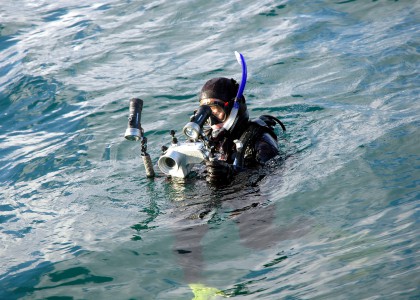
Snagging spectacular videos of something on land isn’t hard – these days most cell phones can do it – but getting great underwater shots is a bit more complicated. Video provides a window into the marine environment. Check out underwater videos and photos collected from ODFW biologists and learn how and why we’re using video in our research and monitoring. Read More
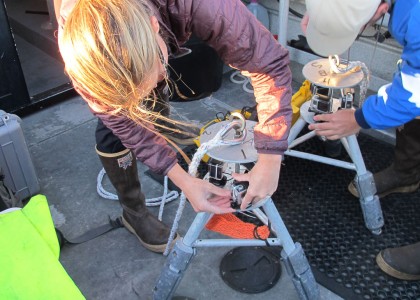
ODFW Marine Reserves Program scientists, Jessica Watson and Dr. Brittany Huntington, recently published their work on developing a cost effective video lander tool for estimating relative fish abundance. The article is published in the Journal of Experimental Marine Biology and Ecology. Read More
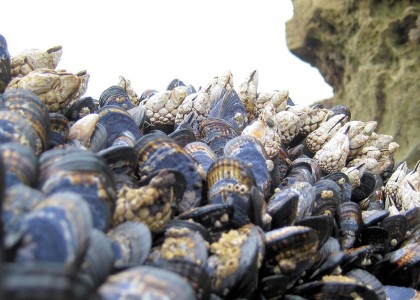
The mystery began in 2007 at Whiskey Creek Shellfish Hatchery in Netarts Bay, Oregon. An inexplicable oyster larvae die-off spurred efforts to figure out the problem. The identified culprit? Ocean acidification. Read More
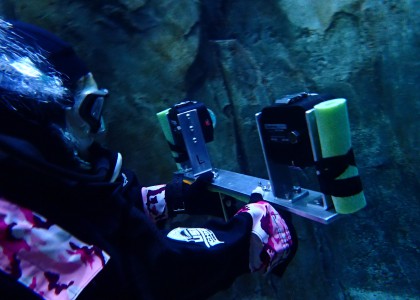
Measuring a fish via video isn’t some bizarre concept dreamt up by Silicon Valley computer whizzes. This technique has been used in Oregon by ODFW researchers for the last two decades. But why do researchers want to measure the sizes of fish and how might two video cameras help? Read More
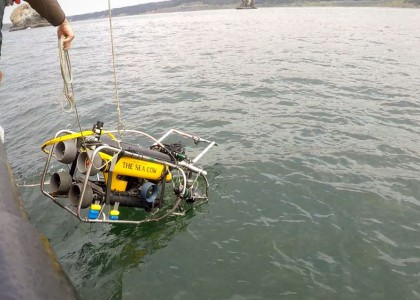
It was the first day of a five-day research expedition in and around Redfish Rocks Marine Reserve. The wind had been blowing hard from the north for several days, but had tapered off by the first day of the research trip. On the days that followed, researchers watched underwater as the ocean color changed from crystal clear blue to a murky, pea-soup green. Read More
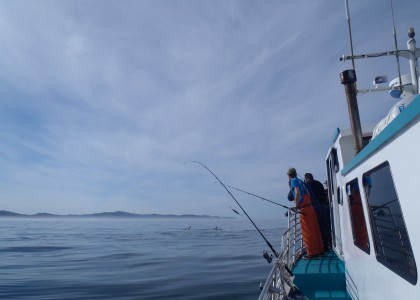
Ecological Monitoring Being that this is an El Nino year, we are very interested to see what juvenile fish might recruit to our nearshore waters. In April our SMURF sampling gear, Read More
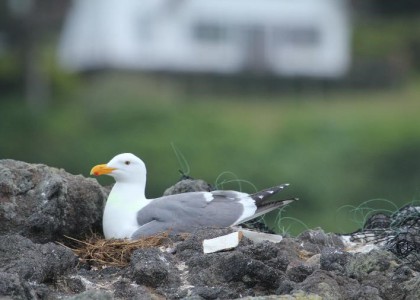
The Cape Perpetua Marine Reserve and surrounding area has attracted additional research that is helping us learn more about the nearshore ecosystem. Seabirds are an important component of that ecosystem. Read more to learn about seabird research. Read More
Updates from the field and announcements on upcoming reports. Read More
Video surveys offer a cost-effective, non-extractive means for collecting valuable data on fish and habitats. Like all scientific research tools, there are questions about potential biases. Results from a video lander pilot study conducted by the ODFW Marine Reserve Program looks into these questions and has some surprising results. Read More