Reports from the Field – July
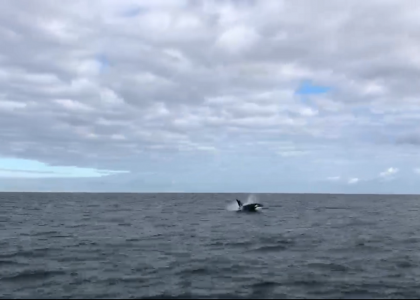
A surprise on our way out to the Cascade Head Marine Reserve to set out oceanographic moorings. Check out this Killer Whale speeding alongside our research vessel and more updates. Read More
A surprise on our way out to the Cascade Head Marine Reserve to set out oceanographic moorings. Check out this Killer Whale speeding alongside our research vessel and more updates. Read More
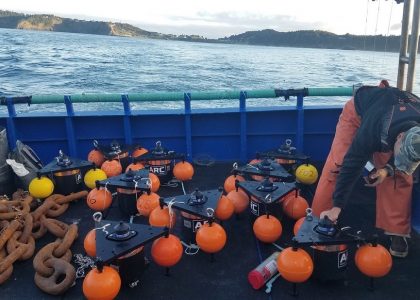
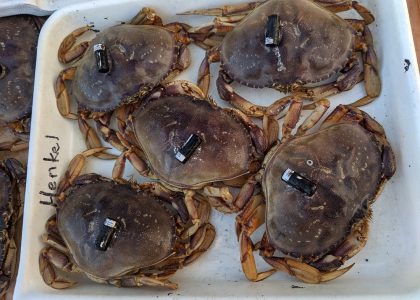
A new collaborative research project at Redfish Rocks by OSU and ODFW is studying the response of fish and crabs to the noise generated from a geological seismic survey of the Cascadia Subduction Zone being conducted by NSF this summer. Read More
May has been a busy month – balancing data analysis for the ODFW Marine Reserves Synthesis Report with preparations for fieldwork. Here’s what’s been happening in the field. Read More
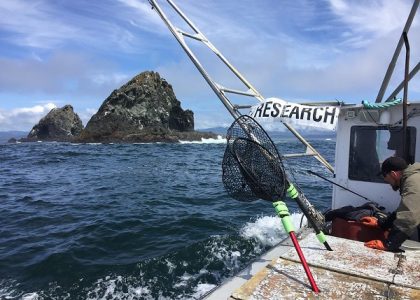
With longer days and sunshine returning to the coast, we’ll be embarking on some limited fieldwork this spring that can be done safely during the COVID-19 pandemic. Read More
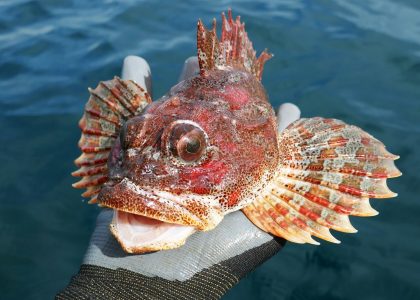
In honor of St. Patrick’s day we’re commemorating the colorful ‘Irish’ lords that roam off our coast – specifically the Red Irish Lord. Read More
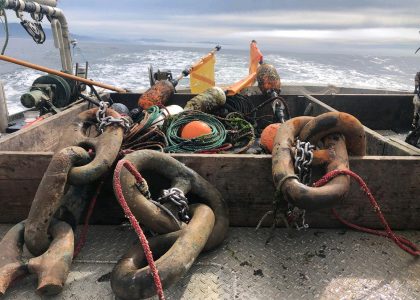
Despite challenges to our field surveys in 2020, we were successful in collecting oceanographic data at Cape Falcon and Cape Meares. Here’s what we saw in the data. Read More
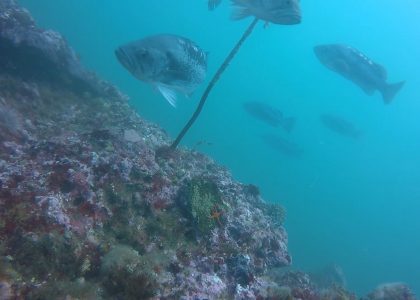
Check out our annual highlights infographic. Plus, take a look at a our top stories and most popular marine reserve videos from 2020. Read More
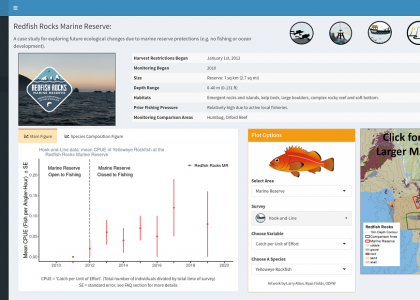
We’re excited to announce the release of our new ODFW Data Dashboard. The dashboard is a website that allows you to explore marine reserves monitoring data collected by ODFW over the last 10 years Read More
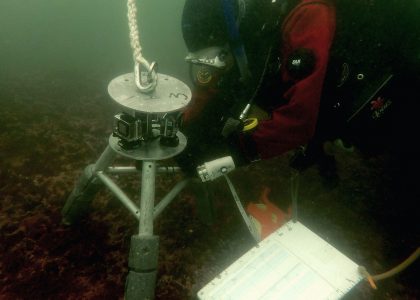
One of the core monitoring tools that the ODFW Marine Reserves Program is using in our long-term monitoring of marine reserves are ‘video landers’ – or drop video camera systems – which are lightweight and a relatively cost-effective method to survey rocky reefs here in Oregon Read More
This month we successfully retrieved our oceanographic equipment that had been in the water this summer at Cascade Head, Cape Falcon, and the Cape Meares Comparison Area collecting data on temperature, salinity and oxygen. Read More