Reports from the Field for April
Updates from the field and announcements on upcoming reports. Read More
Updates from the field and announcements on upcoming reports. Read More
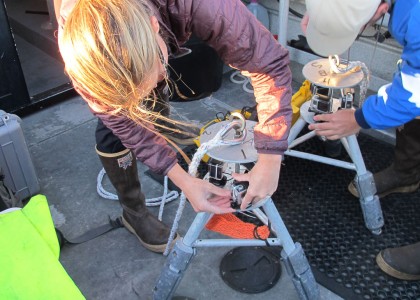
Video surveys offer a cost-effective, non-extractive means for collecting valuable data on fish and habitats. Like all scientific research tools, there are questions about potential biases. Results from a video lander pilot study conducted by the ODFW Marine Reserve Program looks into these questions and has some surprising results. Read More

A team of wetsuit-clad divers sit on the edge of a boat adjusting their masks before splashing into the cold waters of the Pacific Ocean. These divers belong to a specialized scientific research team–and the marine reserves are their living laboratories. Read More

With the help of our many partners in academia, the fishing industry, coastal communities and non-government organizations 2015 proved to be a busy year. Check out some of the Program highlights over the past year! Read More

The ODFW Marine Reserves Team would like to say thank you to all our highly skilled volunteer anglers, vessel captains, and crew that came out and assisted with this year’s hook-and-line surveys. Read More

Talking and listening to commercial fishermen is what led the ODFW Marine Reserves Program to initiate a pilot study comparing hook-and-line vs. longline survey techniques. We partnered with local fishermen in Port Orford, Oregon to conduct the study. Read More
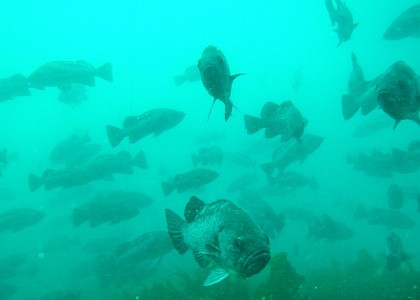
Acoustic surveys may offer a solution to the challenges of sampling mid-water fish species in shallow, rocky habitats. Read More
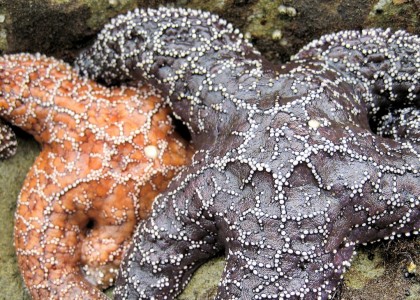
In 2014, the Pacific Coast of North America was hit by a mysterious epidemic that wiped out millions of sea stars, marking the largest marine animal disease event in recorded history. Looming questions researchers are trying to answer include … Read More
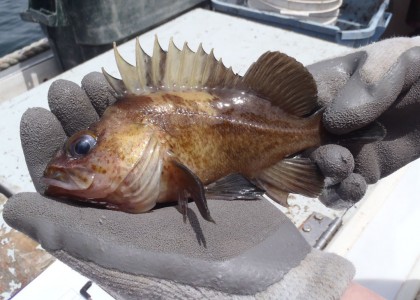
Catching two tagged fish doesn’t seem like a big deal, but it is actually rare to occur in wild populations. Why? The odds of catching a previously tagged fish are extremely small as there are literally, many fish in the sea. Read More
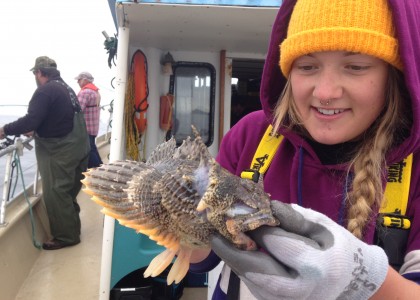
Barotrauma is caused by gasses expanding in a fish’s swim bladder. When the fish is reeled to the surface from deep ocean depths, the swim bladder begins to expand as the surrounding water pressure decreases. Fish that have experienced barotrauma aren’t always able to swim back down on their own, causing them to ‘float’ on the surface. Here’s what you can do to help… Read More